 Presentfully
Fascial Maneuvers Guide · Bay Area
What are Fascial Maneuvers? A Beginner's Guide to Stress Release
Sessions in Foster City, CA - serving the San Francisco Bay Area and Peninsula.
Slow, breath-led movement that helps the body put down tension it has been carrying.
Shoulders up around your ears at the end of a long day. A jaw that will not soften. Stiffness that stretching never quite reaches. That is fascia, and fascial maneuvers are a slow, breath-guided way of working with it.
What is fascia?
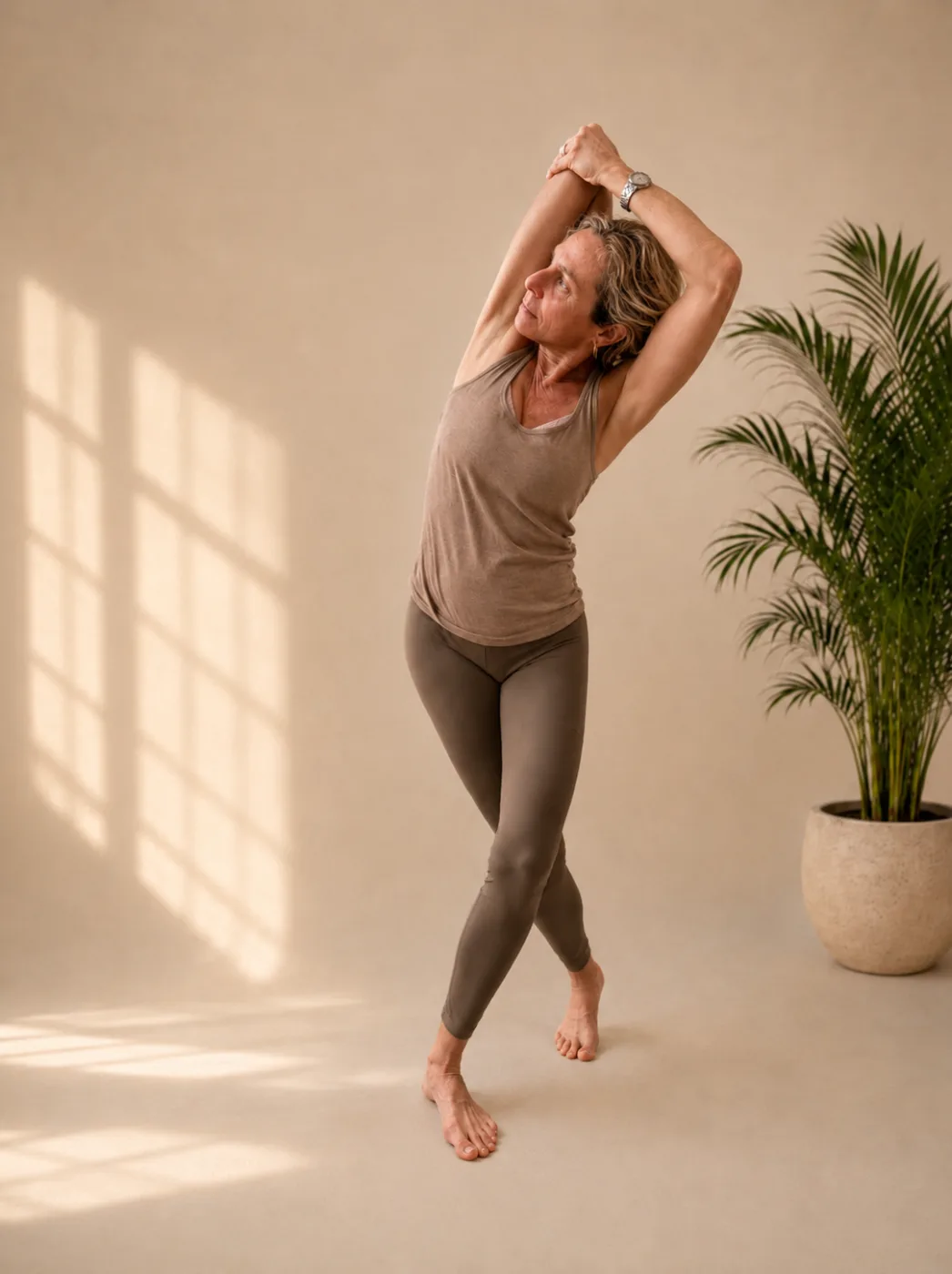
Fascia is the connective tissue that wraps through every muscle, tendon, ligament and bone. It works as one continuous fabric, so what happens in your hip is linked to what happens in your jaw. Stress, guarding against pain, and long hours at a desk all cause fascia to tighten, dry out, and stick to itself. Over the years those adaptations turn into the stiffness and shallow breathing that people write off as normal.
What are fascial maneuvers?
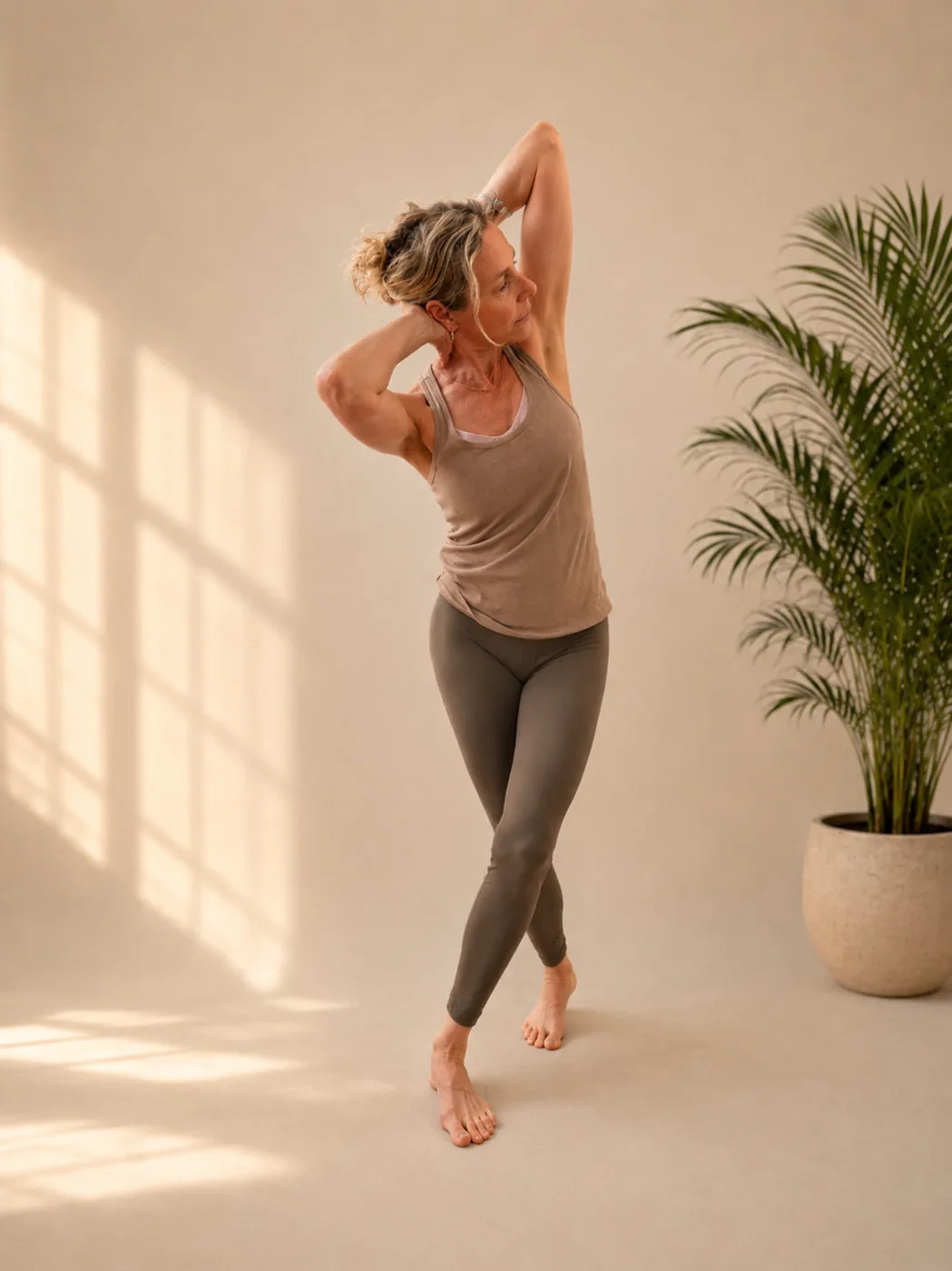
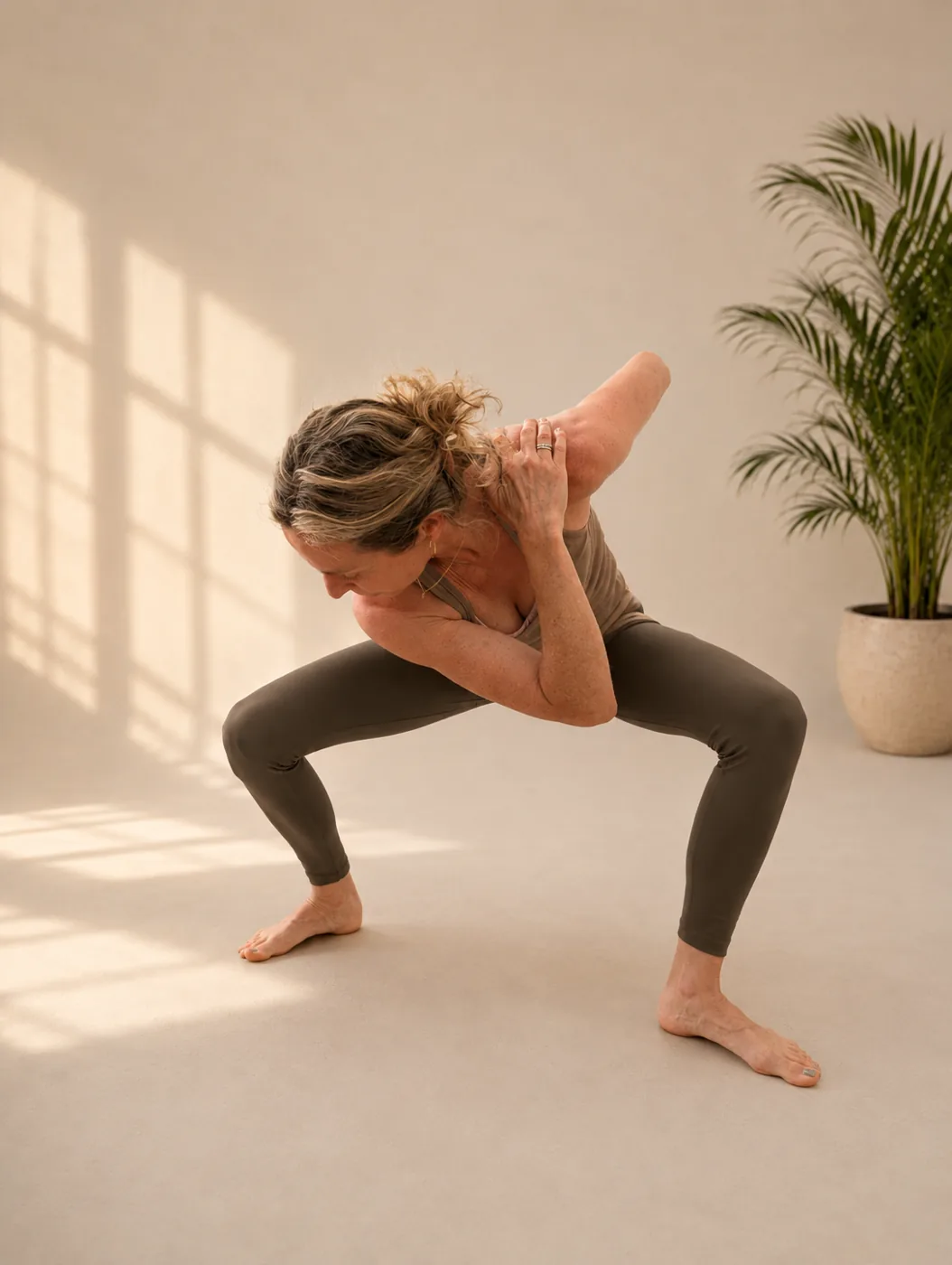
Fascial maneuvers, also called fascia maneuvers, are slow rotational movements paired with breath. From the outside they look quiet: small spirals through the spine, the ribs, the hips. What they are doing is rehydrating fascia so it can glide again, rather than pulling on muscle.
The gentleness is deliberate: fast or forceful movement tends to make tissue tighten up rather than release.
What to expect in a session
We start with a short conversation about what feels stuck, what aches, and what has been going on in your body lately. Then we work slowly through a sequence shaped around you that day, layering breath, gentle rotation, and rest. You set the depth, the pace, and the intensity of your breath. Over a few sessions you also pick up tools you can use on your own at home.
Who is this work for?
You do not need to be flexible, fit, or experienced with movement. Most of the people I see are dealing with long-standing tension, burnout, desk-bound days, anxiety, or trouble sleeping. Some just feel out of touch with their own body and want to change that.
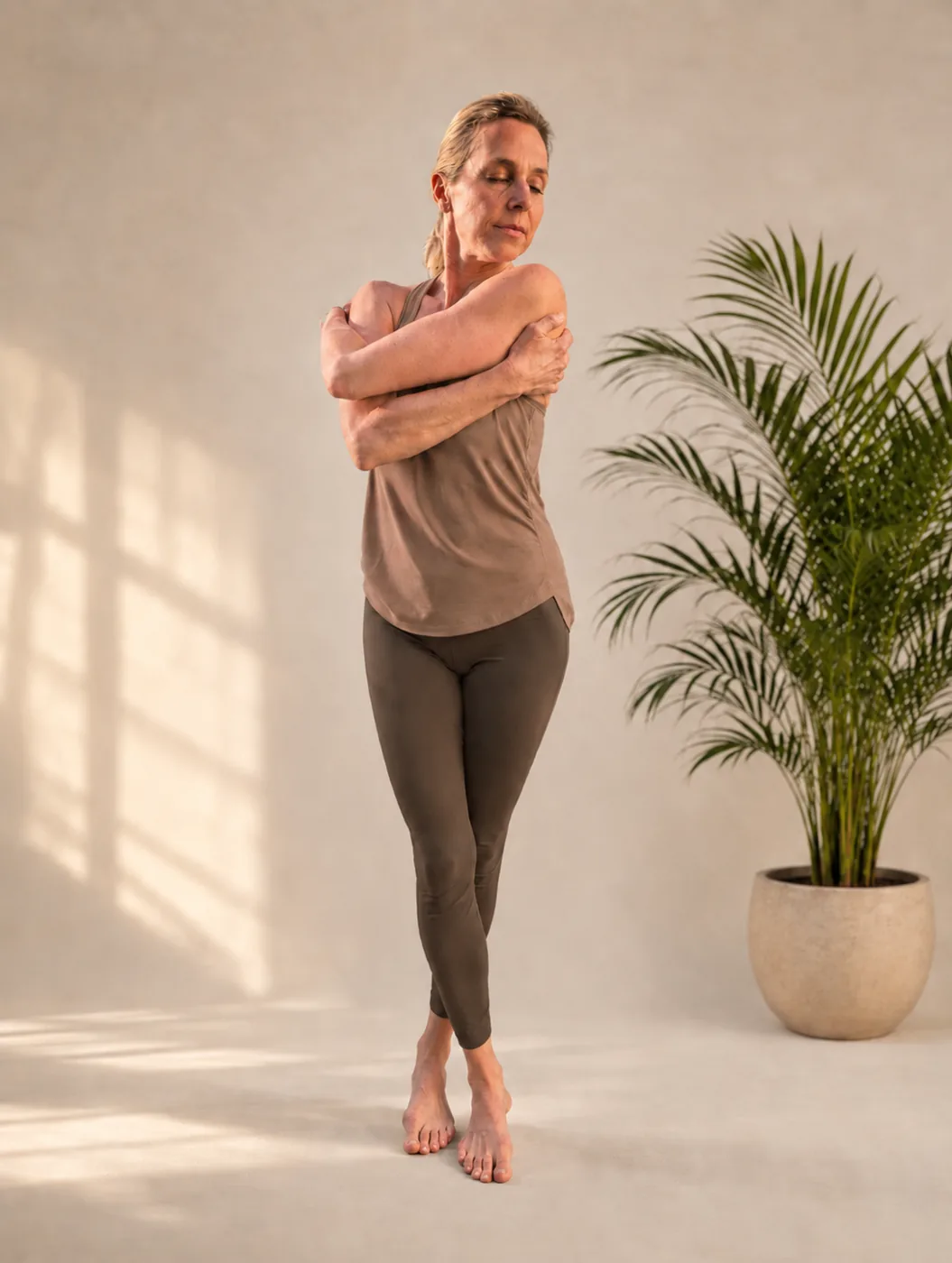
Fascial maneuvers, sometimes called fascia maneuvers, are different from stretching and myofascial release. More on that here.
Fascial maneuvers sessions in the Bay Area
Sessions are held in person in Foster City, California, with clients traveling in from across the San Francisco Bay Area and the Peninsula: San Mateo, Hillsborough, Baywood, Burlingame, Belmont, San Carlos, Redwood City, Redwood Shores, Palo Alto, Mountain View, and San Francisco.
Frequently asked questions
What does a Fascial Maneuvers session look like?
The first session is 90-120 minutes, and following sessions, if needed, are 60-75 minutes in length. We begin with a brief conversation about what your body is holding and what you hope to release. From there, I guide you through slow, rotational movements paired with intentional breathwork. You are always in control of the depth, pace, and intensity. There is no force, no stretching, and no equipment. Many people leave feeling lighter, calmer, and breathing more freely.
What are fascial maneuvers?
Slow, breath-guided rotational movements that work with the fascia, the connective tissue that wraps every muscle, joint, and organ. Done gently and without force, they help the body let go of tension it has held for a long time.
What is the Human Garage method?
A somatic methodology, developed by Garry Lineham, that treats the body as one interconnected fascial system. Rather than stretching muscles, it uses gentle rotational sequences and breath to rehydrate fascia and restore natural range of motion.
Can fascial maneuvers help with stress?
Often, yes. Fascia holds the physical habits of stress and bracing, and easing those habits tends to calm the whole system. Most people leave a session breathing more deeply and noticeably less tense.
Do I need yoga or movement experience?
No experience is needed. Fascial maneuvers are slow and gentle, and every movement is shaped to what your body is asking for that day.
Where are fascial maneuvers sessions held?
In person in Foster City, CA, serving clients across the San Francisco Bay Area and Peninsula - San Mateo, Hillsborough, Baywood, Burlingame, Belmont, San Carlos, Redwood City, Redwood Shores, Palo Alto, Mountain View, and San Francisco.